
Your Phone is the Engine. Virtara is the Lens. The Cloud is the Studio.
From true 5K per-eye imaging to automated finishing, Visorix streamlines immersive production into one stable workflow.
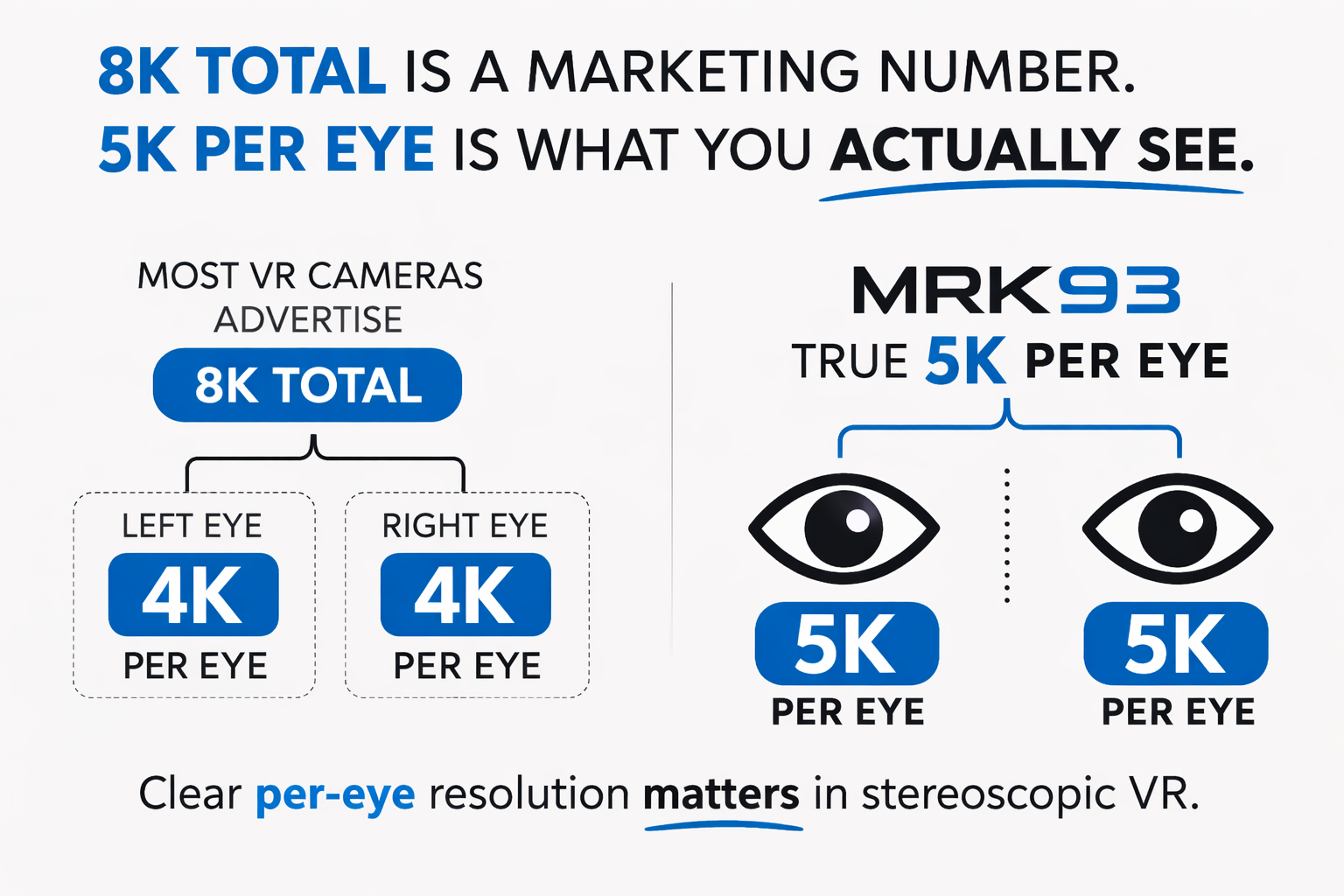
True 5K Per Eye Capture
5120 x 2880 per eye delivers the detail and depth a flagship immersive camera should.
Ultra-Wide VR16 Cinema Camera
Stop stretching your reality. Virtara is the world’s first 3D camera built on the Ultra-Wide VR16 standard. Inspired by legendary panoramic cinema, VR16 ditches the 180-degree fisheye warp to capture a pristine, edge-to-edge spatial canvas. We put 100% of our dual 5K resolution exactly where your eyes perceive depth.

Automated Production
Virtara automates the heavy lifting behind immersive production by handling crop, alignment, and final mastering in the workflow. You press one button, and we deliver the cinema-ready master.
Investing is done through WeFunder using a YC SAFE. This means you are not buying ownership today. If Visorix raises a future priced round, your investment turns into equity then. Investing involves risk.
Virtara Series Specifications
Virtara MRK77
- Primary RoleHigh Fidelity 3D Cinema & VR16 Ultra-Wide*
- StabilizationFixed / Tripod Only
- Native Input (Per Eye)3840 x 2160 (16:9)
- Side-By-Side (SBS)7.7K (7680 x 2160) @ 30FPS
- Max BitrateHEVC 75-90Mbps
- OpticsPrecision Glass (TBD)
- Price$199
Virtara MRK77-IBIS
- Primary RoleHandheld Versatility, 3D Cinema & VR16 Ultra-Wide*
- StabilizationIn-Body Image Stabilization (IBIS)
- Native Input (Per Eye)3840 x 2160 (16:9)
- Side-By-Side (SBS)7.7K (7680 x 2160) @ 30FPS
- Max BitrateHEVC 75-90Mbps
- OpticsPrecision Glass (TBD)
- PriceTBD
Virtara MRK10
- Primary RoleUltra-High Fidelity 3D Cinema & VR16 Ultra-Wide*
- StabilizationFixed / Tripod Only
- Native Input (Per Eye)5120 x 2880 (16:9)
- Side-By-Side (SBS)10.2K (10,240 x 2880) @ 30FPS**
- Max BitrateHEVC 75-90Mbps
- OpticsPremium Cinema Glass (TBD)
- PriceTBD
Technical Notes
* VR16 Ultra-Wide: The specialized VR16 format captures a highly detailed 90-degree field of view, equivalent to a 16mm Ultra-Wide lens on a 35mm sensor. VR16 Ultra-wide videos will work seamlessly in standard VR180 mode on playback devices.
** Super-Sampled Fidelity: The MRK10 captures a massive 10.2K (10,240 x 2880). The final video file will be super sampled down to 8192 x 3076 to ensure perfect compatibility with the Meta Quest 3 and industry-standard playback, resulting in a crisp, high-density 8K master.
VR16 Ultra-Wide vs Fisheye
Fisheye glass forces a bad trade: either you crop the lateral field of view to fill the sensor, or you waste sensor pixels on black borders. A rectilinear VR16 Ultra-Wide lens uses every pixel, holds more real detail, and still wraps cleanly onto a hemisphere inside the headset when the viewer wants it to.
VR16
Format Name
95°
Horizontal FOV
16mm
Full Frame Equivalent
16:9
Aspect Ratio
VR16 is named for its equivalence to a 16mm ultra-wide prime lens on a 35mm full frame camera. 95 degrees of horizontal field of view, rectilinear geometry, shot native in 16:9.
Standard Capture Format · Entire Visorix Lineup
MRK77
·
MRK77-IBIS
·
MRK10
Every Visorix camera captures in VR16. Same format across the whole lineup, same Virtara playback stack, same viewer choice of projection.
01 · The Fisheye Tradeoff
Two ways to fit a round image onto a rectangular sensor. Both lose.
Zoomed In
Full Coverage Fisheye
image circle > sensor
Crop the fisheye image circle so the green sensor area is fully covered. You use every pixel, but the curved edges of the lens view extend past the sensor. Everything at the far left and far right of the scene is thrown away.
sensor used
lens coverage
discarded view
Zoomed Out
Circular / Partial Fisheye
image circle < sensor
Shrink the image circle inside the sensor and the whole lens view is preserved. But now huge swaths of the sensor record nothing but black. On a 48 MP sensor, that can mean tens of millions of pixels doing zero work.
real image
lens circle
dead pixels
The Visorix Choice
VR16 Ultra-Wide
95° HFOV · rectilinear · frame == sensor
Every sensor pixel records scene data. No lateral crop, no black ring, no wasted silicon. You get maximum effective resolution across the full frame and uniform detail edge to edge.
active imaging area
uniform pixel density
~72%
Full Coverage Fisheye
Approximate lateral field of view retained after cropping the image circle to fill a 16:9 sensor. The rest is thrown out.
~42%
Circular Fisheye
Approximate fraction of sensor pixels that actually contain image data. The rest is black border.
100%
VR16 Ultra-Wide
Every pixel on the sensor is carrying scene information. No wasted silicon, no cropped lateral view.
02 · Distortion Residuals
Fisheye projections also stretch pixels unevenly. Detail suffers where it matters most.
Across every fisheye projection model (equidistant, equisolid-angle, orthogonal, stereographic), the usable geometric area inside the frame is smaller than the sensor itself. The red regions below represent residual distortion and sensor area that does not map cleanly to a usable rectilinear image.
Rectilinear
Equidistant
Equisolid
Orthogonal
Stereographic
Green = usable distortion-managed area. Red = residual distortion or unused sensor. Only VR16 rectilinear fills the full frame.
03 · Viewer-Chosen Projection
The viewer picks the canvas inside the app. Same VR16 source, three ways to watch.
VR16 is the capture format. Projection is a user choice inside the Virtara app. Because the source frame is clean rectilinear video with zero distortion baked in, the Virtara playback layer can render it onto whatever canvas the viewer prefers. Fisheye source locks every viewer into one specific projection math. VR16 hands the choice to the person in the headset.
View Mode 01 · Default
Flat IMAX SBS
planar world canvas
Big screen cinema feel. Stereoscopic SBS video on a single rectilinear plane inside the Hidden Temple environment. Familiar, focused, and what Virtara is shipping today.
View Mode 02
Curved Canvas
cylindrical wrap
A gentle cylindrical wrap broadens peripheral presence while keeping geometry comfortable. Middle ground for long form content where deeper immersion matters but full dome is too much.
View Mode 03
VR180 Dome
180° hemisphere
Full hemispherical wraparound. The VR16 frame stretches across the viewer's entire forward field of view. Best for immersive scenes where presence and wraparound trump framing.
Virtara In-App View Menu
The viewer chooses at any time.
Fisheye source forces one projection model on every viewer. VR16 lets each viewer pick the canvas.
04 · Bottom Line
Three reasons Visorix ships VR16 Ultra-Wide.
Pixel Economy
Every pixel counts
no black borders
Fisheye forces a choice between cropping the scene or wasting sensor real estate. VR16 rectilinear uses 100 percent of the sensor at all times.
Detail Fidelity
Uniform resolution
no center-heavy compression
Fisheye projections compress pixels unevenly across the frame. A rectilinear lens distributes detail uniformly edge to edge, so text, faces, and textures hold up under zoom.
Viewer Choice
They pick the canvas
flat, curved, or VR180
Every Virtara viewer chooses their own projection mode in the headset: flat IMAX, curved wrap, or full VR180 dome. Fisheye source locks every viewer into one projection math. VR16 hands the choice to the person watching.
Community Partners



Why Virtara Exists
My name is Thomas Nichols. I’m a U.S. Army veteran, self-taught product designer, and lifelong tinkerer. After six years in military logistics and procurement, I kept coming back to one thing: building practical tools that solve real problems.
As a creator, I saw firsthand how hard it is to break into VR. Everyone talks about immersive content being the future, but the cameras and workflows are expensive, complicated, and built for studios. Not for normal people. Meanwhile most of us are stuck fighting algorithms on flat 2D platforms for pennies.
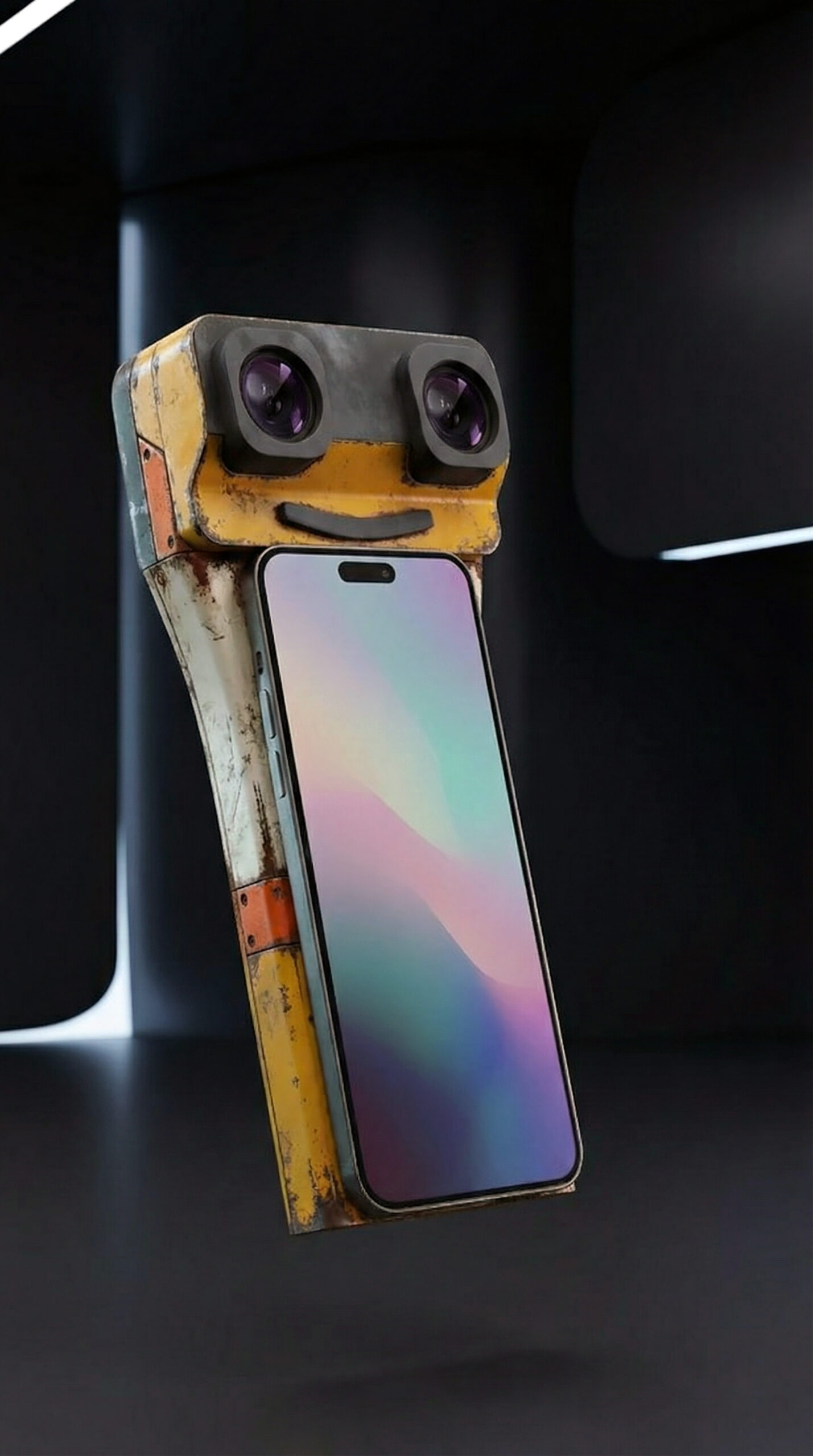
Visorix is my answer to that. The flagship product, Virtara turns the phone you already own into a snap-on 180° or 3D cinema VR camera, with on-phone tools to edit and prepare content for VR platforms. The goal is simple: make immersive storytelling accessible while keeping creators in control of their work and their income.
My own journey has been shaped by faith and the mental health struggles I’ve seen around me, so Visorix includes optional faith-informed and motivational features alongside supportive resources for creators’ well-being. None of it is forced. It’s just there for those who want it.
Join the Waitlist for Exclusive early access to our first production run.
VIP Early Backer Pricing
Lock In VIP Pricing
Join the VIP list and get exclusive early backer pricing on the Virtara MRK77 — $189 instead of $199 — plus first look at prototype footage before anyone else.
No spam, ever. Unsubscribe anytime.
By signing up you agree to our Privacy Policy.